
Blog
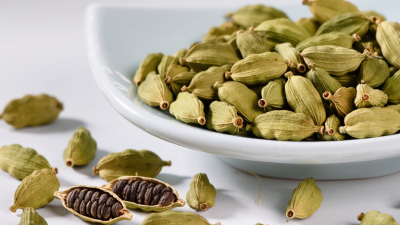
2026 Best Green Cardamom Pods for Global Buyers
Choosing the best Green Cardamom Pods for global buyers requires more than comparing bright color and attractive packaging. A strong purchase decision considers origin, harvest timing, pod size, aroma, moisture, cleanliness, and traceability. These details become visible when pods are opened. Fresh cardamom should release a sweet, camphor-like fragrance, while stale pods may smell dusty or flat.
Spice scientist K. V. Peter describes cardamom as “the queen of spices.” That reputation reflects its delicate balance of eucalyptus-like freshness, citrus notes, and warm sweetness. Yet reputation is not enough. Buyers should request laboratory results, pesticide compliance documents, microbial testing, and clear country-of-origin records. Responsible suppliers should also explain drying methods, grading systems, storage conditions, and packaging materials.
This guide evaluates leading Green Cardamom Pods for international sourcing in 2026. It focuses on practical quality, not exaggerated claims. Whole pods can look impressive.
They can still disappoint.
Some shipments lose aroma because they travel in warm, humid containers. Others contain mixed grades that were not clearly disclosed. These problems remind buyers to inspect samples before signing large contracts. Certifications may strengthen trust, but they do not replace careful verification. Harvest season, producer practices, and supply continuity also deserve attention.
The strongest options combine clean appearance, dense seed content, stable moisture, reliable documentation, and consistent flavor. Buyers should remain cautious when prices seem unusually low. Quality has limits. A thoughtful comparison protects product performance, customer expectations, and long-term supplier relationships.
Read more »
 By:Alexander
- October 28, 2026
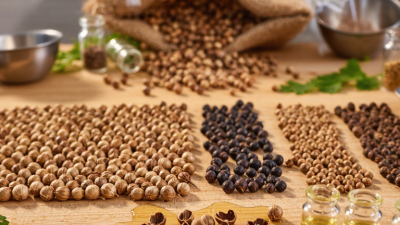
Top 10 Whole Coriander Seeds Types for Global Buyers?
Whole Coriander Seeds remain a practical choice for spice processors, wholesalers, and food manufacturers worldwide. Their value depends on more than appearance. Aroma, volatile-oil content, cleanliness, moisture, origin, and crop consistency all influence purchasing decisions.
The Food and Agriculture Organization and FAOSTAT identify coriander as an important seed spice within global agricultural trade. India remains a leading producer and exporter, while reports from the International Trade Centre show continuing demand across food manufacturing, seasoning, and traditional cuisine markets. Market research from Grand View Research also links broader spice-market growth with rising interest in traceable, naturally sourced ingredients. However, coriander-specific figures vary between reports. That inconsistency deserves attention.
Dr. S. K. Malhotra, former Horticulture Commissioner of India, described seed spices as “small in quantity, but large in value.” His observation reflects the commercial reality behind every sack. A few broken seeds, dull color, or weak citrus notes can reduce buyer confidence. This guide examines the Top 10 Whole Coriander Seeds Types for Global Buyers, comparing flavor, seed size, oil richness, processing suitability, and supply reliability. The ranking is useful, not absolute. Harvest conditions change. Supplier claims also require verification through laboratory testing, certificates, and sample evaluation. Experienced buyers should smell freshly crushed seeds, inspect foreign matter, and confirm moisture before signing contracts. That step is often missed.
Read more »
 By:Charlotte
- October 23, 2026
2026 Best Dry Red Teja Chili Supplier for Global Buyers?
Choosing the 2026 best Dry Red Teja Chili supplier requires more than comparing prices. Global buyers need consistent heat, clean handling, reliable documentation, and stable shipment performance. Dry Red Teja Chili should show a deep red color, crisp texture, and a fresh, earthy aroma. Broken pods, excess stems, damp patches, or smoky odors may signal weak processing.
Paul W. Bosland, a respected pepper scientist, once described chile peppers as “the spice of life.” His words reflect the product’s value, but commercial quality needs measurable evidence. Buyers should request laboratory reports for moisture, aflatoxins, pesticide residues, microbial safety, and capsaicin levels. Product samples matter too. A bright sample may still perform poorly after grinding.
Experienced suppliers can explain the chili’s growing region, harvest period, drying method, and storage conditions. They should also provide clear batch identification and traceability records. Strong packaging protects the pods from humidity during long ocean transport. Food-grade inner liners, sealed cartons, and suitable palletization reduce avoidable losses.
Reliability is not proven by a polished website. It appears in consistent samples, honest communication, and accurate delivery records. No supplier is flawless. That deserves attention. A trustworthy partner admits limitations and corrects mistakes quickly. Buyers should compare trial orders before signing annual contracts. They should also confirm export documents and destination-country requirements independently.
This guide examines supplier capability, product quality, testing practices, packaging, pricing, and long-term service. The goal is practical selection, not exaggerated promotion. For serious importers, the best Dry Red Teja Chili supplier is the one that protects quality from farm to factory.
Read more »
 By:Ethan
- October 18, 2026
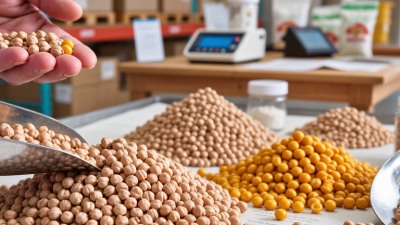
How to Source Kabuli Chickpeas Globally in 2026?
Sourcing Kabuli Chickpeas globally in 2026 requires more than comparing prices on a supplier spreadsheet. Buyers must connect farm origin, crop quality, logistics, and responsible trade practices. Kabuli Chickpeas vary in size, color, texture, and cooking performance. These differences can affect retail value and customer satisfaction.
A reliable sourcing process begins with clear specifications. Define the preferred caliber, moisture range, foreign-material tolerance, packaging format, and crop year. Ask suppliers for harvest records, laboratory reports, traceability documents, and applicable phytosanitary certificates. Independent testing can verify moisture, pesticide residues, microbiological safety, and aflatoxin levels. Samples should be cooked, not merely inspected under warehouse lighting. A bright sample may still perform poorly in a commercial kitchen.
Global supply decisions should also consider origin diversification. Turkey, Mexico, Argentina, Canada, and other producing regions may offer different harvest windows and risk profiles. Freight rates, port congestion, currency changes, and weather events can quickly alter landed costs. A supplier with attractive pricing may lack consistent grading capacity. That weakness can appear only after several containers.
Human judgment still matters.
Buyers should visit facilities when practical or use qualified third-party auditors. They should review worker safety, environmental controls, storage conditions, and complaint procedures. No sourcing plan is perfect. Forecasts can fail, and inspection reports may miss hidden handling problems. That uncertainty deserves a contingency plan, including backup suppliers and flexible delivery dates. This guide explains how to evaluate suppliers, verify quality, manage contracts, and build a more resilient Kabuli Chickpeas sourcing strategy for 2026.
Read more »
By:Alexander
- October 13, 2026
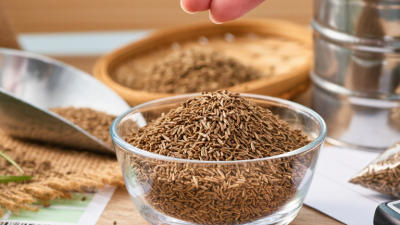
How to Source Whole Cumin Seeds in 2026?
Sourcing Whole Cumin Seeds in 2026 requires more than comparing supplier prices. Buyers must examine origin, harvest timing, purity, moisture, microbial safety, and traceability. Cumin quality can change noticeably between lots. The same origin may still produce different aroma, color, and oil content after irregular rainfall.
Recent FAOSTAT data identifies India as the leading cumin-producing country, while ITC Trade Map data shows strong international movement under HS code 090930. Market studies from IMARC and Mordor Intelligence also report continuing demand for cumin across food manufacturing, retail, and natural ingredient applications. Their figures differ, however. That difference deserves attention. Market forecasts are useful, but they should not replace shipment-level verification.
Dr. S. K. Sharma, former director of India’s ICAR-National Research Centre on Seed Spices, has emphasized, “Quality seed is the foundation of quality produce.” This principle applies to commercial sourcing. A reliable supplier should provide a current certificate of analysis, pesticide-residue results, moisture readings, and documented batch traceability. Ask where the seeds were grown, cleaned, stored, and packed. A dusty warehouse photograph is not proof of quality.
Practical checks matter. Rub a small sample between your fingers. It should release a warm, earthy aroma without moldy notes. Look for uniform brown seeds, limited foreign material, and minimal breakage. No supplier scorecard is perfect. Weather, storage, and transport can still create surprises. The strongest 2026 sourcing strategy combines verified documents, physical samples, independent testing, and realistic communication about crop risks.
Read more »
By:Ethan
- October 8, 2026
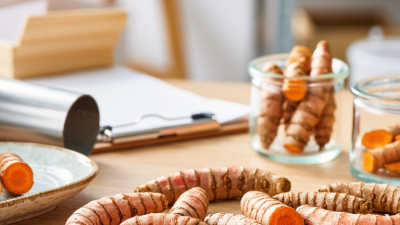
10 Tips for Sourcing Turmeric Finger Wholesale?
Sourcing Turmeric Finger wholesale requires more than comparing prices on a supplier list. Product quality can change with harvest timing, drying methods, storage conditions, and transport. A strong buyer should inspect the fingers closely. Look for a natural golden-orange color, a clean earthy aroma, and firm texture. Excessive dust, soft spots, mold, or a musty smell may indicate poor handling. Broken pieces are not always unacceptable, but they can affect grading, appearance, and processing efficiency.
This guide, “10 Tips for Sourcing Turmeric Finger Wholesale,” focuses on practical decisions that support consistent purchasing. It covers supplier experience, harvest origin, moisture levels, laboratory testing, packaging, traceability, and order samples. Buyers should request clear specifications, including size, grade, processing method, and permitted treatment details. Reliable suppliers should provide transparent documentation and answer questions without vague promises. Check the sample before approving a container. Small details matter. A sample may look excellent while bulk stock differs, so inspection procedures should be agreed upon in writing. Independent testing can add confidence when quality or contamination risks matter. However, no checklist is perfect. Weather, storage delays, and communication gaps can still create problems. Careful buyers review contracts, verify applicable import requirements, and keep records of every shipment. Practical experience often reveals issues that a polished catalog cannot show. A dependable wholesale relationship develops through repeated checks, honest feedback, and measurable standards. Cost matters, but the cheapest offer may create higher losses through rejection, waste, or inconsistent production.
Read more »
By:Alexander
- October 3, 2026
Top 10 Organic Turmeric Powder Suppliers for Global Buyers
Choosing an Organic Turmeric Powder supplier takes more than comparing prices or admiring a deep golden color. Global buyers need clear evidence about origin, organic certification, processing, and batch consistency. A bright powder can look convincing. It still tells you little about its handling or purity.
Turmeric researcher Dr. Bharat B. Aggarwal’s work encourages buyers to distinguish evidence from broad claims. A useful sourcing question, inspired by that evidence-focused approach, is: “What can this supplier prove about this batch?” Ask for current certification documents, product specifications, and test results that match the lot being offered. Check whether the supplier can explain how turmeric is dried, milled, packed, and stored. These details matter when powder travels through several hands before reaching a production line.
This guide examines ten suppliers serving international buyers, with attention to product information, sourcing transparency, and practical communication. Supplier profiles can change, and published details may not tell the whole story. That is worth remembering. A polished website is not a substitute for documents, and a low quote may leave important questions unanswered. Buyers should confirm current terms and specifications directly before placing an order. The right supplier is not simply the one with the boldest organic claim; it is the one that can support its claims with clear, consistent records.
Read more »
By:Alexander
- September 28, 2026
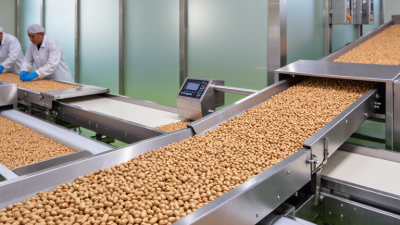
China Best Raw Peanut Kernels Supplier for Global Buyers
Choosing the right China supplier for global peanut imports requires more than comparing prices. Raw Peanut Kernels must meet consistent standards for taste, moisture, size, safety, and packaging. A professional supplier understands how small quality differences affect processing, roasting, and final product performance.
This guide explores practical factors for evaluating Chinese peanut kernel suppliers. It covers origin control, cleaning systems, grading methods, laboratory testing, and export experience. Buyers should request clear specifications, recent inspection records, product samples, and complete traceability documents. They should also confirm loading conditions, container hygiene, and packaging strength before shipment. Details matter here.
Reliable suppliers usually work with experienced production teams and defined quality procedures. They can explain how peanuts move from farms to processing lines, warehouses, and ports. Good communication matters too. A responsive export team can clarify crop seasons, available grades, lead times, and documentation requirements without creating confusion.
No supplier is perfect.
Crop conditions can change each year. Even strong factories may face moisture variation, broken kernels, or delayed harvests. The important question is how openly the supplier identifies and manages these risks. Buyers should avoid attractive promises without evidence. Independent inspection can provide additional confidence, especially for first orders or large contracts. This article offers a practical framework for finding a dependable China-based partner, while recognizing that careful verification remains the buyer’s responsibility. Quality is built through repeated checks, not one impressive conversation.
Read more »
By:Ethan
- September 23, 2026
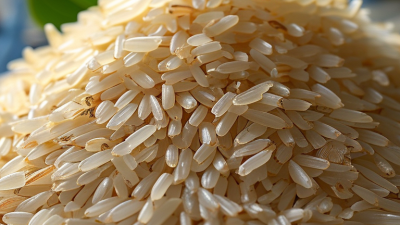
2026 Top 1121 Basmati Rice Suppliers and Prices?
The 2026 Top 1121 Basmati Rice Suppliers and Prices guide examines a market shaped by harvest quality, export policy, freight costs, and buyer specifications. 1121 Basmati Rice remains highly valued for its extra-long grain, aromatic fragrance, and strong cooking elongation. These features matter in retail packs, restaurant kitchens, and private-label contracts.
USDA Foreign Agricultural Service Rice Outlook reports provide essential context on global rice production, consumption, and trade flows. FAOSTAT data also helps compare national output and export performance. APEDA export statistics add practical insight into India’s basmati supply chain, including major producing regions and shipment activity. Together, these sources support a more reliable supplier assessment. However, public datasets may use different reporting periods. That limitation matters.
Prices in this guide should be read as market indicators, not fixed quotations. A supplier’s offer can change with grain length, moisture, broken percentage, crop year, milling method, packaging, certification, and delivery terms. A polished sample may not represent a full container. Buyers should request recent laboratory results, product photos, loading-port details, and verifiable commercial references. Small details protect large purchases.
Supplier quality varies.
The ranking therefore considers export experience, processing capacity, documentation, product consistency, and responsiveness, rather than price alone. Some companies publish impressive claims without enough supporting evidence. That deserves careful review. By combining industry reports with direct supplier verification, this introduction aims to help importers compare 1121 Basmati Rice suppliers more realistically in 2026.
Read more »
By:Ethan
- September 15, 2026
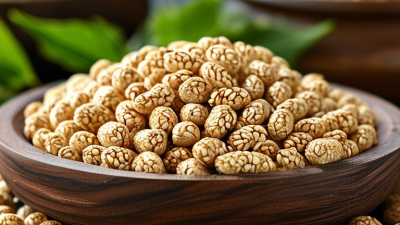
Top 10 Hulled Sesame Seeds Suppliers for Global Buyers
Global buyers need more than a long supplier list when sourcing Hulled Sesame Seeds. They need evidence, consistency, and practical experience. This guide examines ten suppliers serving international food manufacturers, wholesalers, and ingredient distributors. It considers origin, processing capacity, quality systems, packaging options, export experience, and communication standards.
“Food safety is a shared responsibility,” says Dr. Francesco Branca, Director of the Department of Nutrition and Food Safety at the World Health Organization. His statement fits sesame procurement closely. Hulled Sesame Seeds can look clean while still requiring careful testing. Buyers should request certificates of analysis, microbiological results, allergen controls, moisture data, and traceability records. Supplier audits also matter. A polished website proves very little.
Look closely.
The strongest suppliers usually explain how sesame is cleaned, mechanically hulled, dried, inspected, and packed. They should identify the growing region and provide clear lot information. Packaging details can reveal operational maturity. For example, food-grade bags, inner liners, pallet protection, and controlled storage help reduce contamination and moisture absorption. Some suppliers may offer organic or conventional grades, different purity levels, and private-label packing.
This ranking is not perfect. Market conditions change, harvest quality varies, and a supplier with excellent pricing may struggle during peak demand. Buyers should compare samples before signing large contracts. A small trial shipment can reveal broken seeds, uneven color, stale odor, or delayed documentation. Those details matter.
The suppliers below are presented as practical candidates, not automatic choices. Careful verification remains essential.
Read more »
By:Alexander
- September 15, 2026
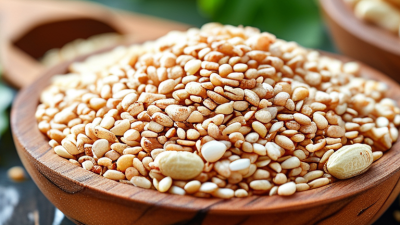
7 Best Natural White Sesame Seeds Suppliers Worldwide
Natural White Sesame Seeds remain a practical ingredient for tahini, bakery toppings, snacks, confectionery, and cold-pressed products. Their pale color, mild nutty flavor, and small, crisp texture attract buyers across food manufacturing and wholesale markets. Yet “natural” can mean different things across supplier catalogs. Buyers should confirm whether the seeds are unhulled, minimally processed, non-roasted, or simply untreated.
Industry data provides useful market direction. FAOSTAT tracks global sesame production and harvested-area trends, while the International Trade Centre’s Trade Map records international shipments under HS code 120740. USDA Foreign Agricultural Service reports also help buyers compare crop conditions, export availability, and regional supply risks. These sources do not replace direct verification. Crop data can change after drought, excessive rain, port delays, or quality rejections.
This guide reviews seven notable Natural White Sesame Seeds suppliers worldwide. It focuses on origin transparency, cleaning standards, laboratory testing, packaging, export experience, and communication reliability. Supplier claims should be checked against certificates, recent specifications, and representative samples. Ask for moisture, purity, foreign-material, pesticide-residue, and microbiological results. A clean sample matters.
A spreadsheet cannot show every risk. Personal experience with samples still matters.
The strongest supplier may not offer the lowest quotation. Consistent color, stable moisture, traceable lots, and dependable shipment planning often protect margins better. Readers should also compare Incoterms, minimum order quantities, shelf life, allergen controls, and destination-country requirements before making a final purchasing decision.
Read more »
By:Ethan
- September 15, 2026