
Industry Knowledge & News
Garment Manufacturing Insights & Updates
Stay updated with the latest trends in women's apparel manufacturing, fabric guides, and global export strategies.
How to Source Whole Cumin Seeds in 2026?
Table of Contents
Sourcing Whole Cumin Seeds in 2026 requires more than comparing supplier prices. Buyers must examine origin, harvest timing, purity, moisture, microbial safety, and traceability. Cumin quality can change noticeably between lots. The same origin may still produce different aroma, color, and oil content after irregular rainfall.
Recent FAOSTAT data identifies India as the leading cumin-producing country, while ITC Trade Map data shows strong international movement under HS code 090930. Market studies from IMARC and Mordor Intelligence also report continuing demand for cumin across food manufacturing, retail, and natural ingredient applications. Their figures differ, however. That difference deserves attention. Market forecasts are useful, but they should not replace shipment-level verification.
Dr. S. K. Sharma, former director of India’s ICAR-National Research Centre on Seed Spices, has emphasized, “Quality seed is the foundation of quality produce.” This principle applies to commercial sourcing. A reliable supplier should provide a current certificate of analysis, pesticide-residue results, moisture readings, and documented batch traceability. Ask where the seeds were grown, cleaned, stored, and packed. A dusty warehouse photograph is not proof of quality.
Practical checks matter. Rub a small sample between your fingers. It should release a warm, earthy aroma without moldy notes. Look for uniform brown seeds, limited foreign material, and minimal breakage. No supplier scorecard is perfect. Weather, storage, and transport can still create surprises. The strongest 2026 sourcing strategy combines verified documents, physical samples, independent testing, and realistic communication about crop risks.
What Whole Cumin Seeds Are and Why Their Source Matters
How to Source Whole Cumin Seeds in 2026?
What Whole Cumin Seeds Are and Why Their Source Matters
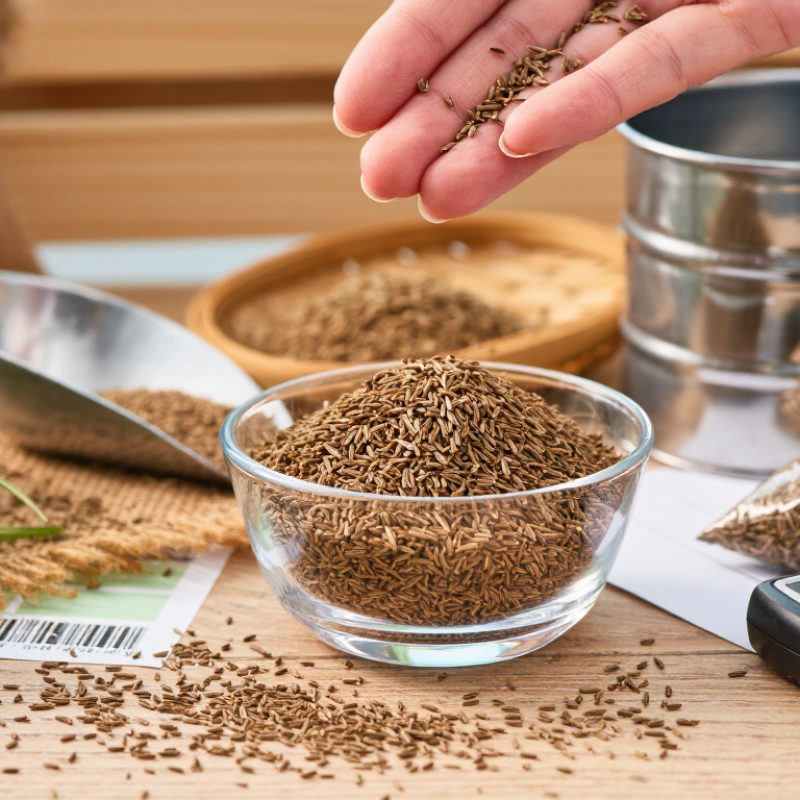
Whole cumin seeds are dried fruits from the Cuminum cyminum plant. They are narrow, ridged, and usually brown or grey-brown. Their warm aroma comes from volatile oils, especially cuminaldehyde. Ground cumin loses aroma faster, so whole seeds often provide better storage control.
Origin matters because climate, harvest timing, drying, and storage can change flavor and safety. Recent FAOSTAT crop data identifies India as the leading cumin producer, contributing roughly three-quarters of reported global output. The Spices Board India recorded 186,960 tonnes of cumin exports during 2023–24. These figures show supply strength, but they do not guarantee every lot is good.
A reliable buyer should request the crop year, origin, lot number, moisture result, and certificate of analysis. Check aroma by gently crushing a few seeds. The scent should be warm and clear, not dusty or sour. Test for Salmonella, pesticide residues, foreign matter, and aflatoxins where regulations require it. Codex guidance for dried culinary seeds can support specification writing, while ISO methods help laboratories assess moisture and volatile oil. I would not approve a shipment from color alone. It is an easy mistake. Sampling can also be imperfect when a container contains mixed lots. Retain sealed samples, compare deliveries, and review the supplier’s traceability records before scaling purchases.
How to Identify Quality Whole Cumin Seeds
Sourcing Whole Cumin Seeds in 2026 starts with careful quality checks. Whole seeds should look clean, dry, and fairly uniform in size. Their color usually ranges from warm brown to grayish brown. Avoid seeds with excessive dust, pale patches, insects, or visible mold. Rub a small sample between your fingers. Fresh cumin releases a warm, earthy aroma with a slightly citrus-like edge. Weak or musty smells may indicate old stock or poor storage.
Tips: Request the harvest date, lot number, origin, and moisture specification. Ask for a recent certificate of analysis when purchasing commercial quantities. A practical moisture target is often below 10%, but confirm the buyer’s food-safety requirements. Store a sample in a sealed glass jar for comparison. It should remain crisp, not soft or sticky.
Do not judge quality by color alone. Some suppliers may clean or sort seeds differently, so appearance can mislead. Taste a properly prepared sample, checking for bitterness, stale oil, or an unusually dusty finish. Laboratory testing can verify moisture, microbial safety, foreign material, and pesticide compliance. Traceable documentation matters as much as sensory quality. My own quality rule would not be perfect: a powerful aroma does not guarantee clean handling. Recheck the sample after transport, because humidity can change it quickly.
Where to Find Reliable Cumin Seed Suppliers in 2026
How to Source Whole Cumin Seeds in 2026?
Reliable cumin seed suppliers are easier to identify when procurement begins with traceable trade data. The International Trade Centre’s Trade Map, using HS code 090930, records global cumin seed exports at roughly US$500 million annually in recent reporting years. This confirms an active market, but not consistent quality. Use the database to compare exporting countries, shipment values, and year-to-year stability. Then verify suppliers through official agricultural export directories and established ingredient trade fairs.
Ask for the crop year, growing region, harvest method, and lot-specific certificate of analysis. Test moisture, purity, volatile oil, pesticide residues, heavy metals, and Salmonella through an independent laboratory. Cumin should arrive clean, aromatic, and free from visible stones or insect damage. A supplier claiming ISO 22000 or HACCP certification deserves closer checking. Confirm the certificate number, issuing body, audit date, and certified site.
Do not rely on photographs.
The FAO’s food safety guidance emphasizes traceability and hazard control across agricultural supply chains. The Global Food Safety Initiative also treats documented verification as essential, rather than optional paperwork. I would request a sealed pre-shipment sample and compare it with the delivered lot. That step costs time. It can prevent a costly rejection. One weakness remains: annual trade figures may hide small-farm variability, currency changes, and crop failures. Therefore, maintain two approved sources, define acceptance limits in writing, and review performance after every shipment.
How to Compare Prices, Certifications, and Minimum Orders
When sourcing whole cumin seeds in 2026, compare like with like. ITC Trade Map data under HS 090930 shows substantial differences in cumin export values across origins and years. However, a low quoted price may hide higher cleaning, freight, or inspection costs. Request the crop year, origin, purity, moisture, volatile-oil content, packaging weight, and Incoterm.
A practical comparison uses landed cost per usable kilogram, not the invoice price alone.
Certification needs equal scrutiny. Codex CXS 327-2017 provides quality guidance for cumin, while ISO 6577 specifies requirements for whole and ground cumin. Ask for recent laboratory results covering pesticide residues, microbiological safety, heavy metals, and foreign matter.
Organic, HACCP, or ISO 22000 documentation may support different market needs, but certificates must match the supplying facility and current shipment. Verify scope and expiry dates.
Paperwork can look impressive.
Minimum orders often change the real price. A supplier offering 500 kilograms may charge more per kilogram, yet reduce storage risk. A 10-tonne order could lower unit cost but increase exposure to stale aroma, moisture, and changing demand.
Compare three order sizes and request samples from the same lot. I would also test aroma after opening. USDA reports and Codex guidance support risk-based controls, but buyer checks still matter.
One weakness remains: harvest data and quality grades are not always reported consistently across origins. Build a small buffer for retesting and rejected lots.
How to Verify, Purchase, and Store Whole Cumin Seeds
How to Source Whole Cumin Seeds in 2026?
How to Verify, Purchase, and Store Whole Cumin Seeds
Whole cumin sourcing should begin with documented origin, harvest timing, and lot traceability. The Spices Board India Annual Report 2023–24 recorded approximately 725,000 metric tonnes of cumin production. The USDA Foreign Agricultural Service’s 2024 India Spice Annual also identifies India as a leading global cumin supplier. These figures show scale, not quality. Request a current certificate of analysis for every lot. Check moisture, volatile oil content, pesticide residues, Salmonella, and aflatoxins. Test results should match the lot number on the bag. A clean smell matters too. It should be warm, earthy, and slightly citrus-like, never musty.
Purchase whole seeds in food-grade packaging with clear production and best-before dates. Ask for the sampling method, because one laboratory result cannot represent a poorly mixed shipment. Codex CXS 326-2017 and ISO 6577 provide useful reference points for spice identity and quality testing. Still, paperwork can be incomplete. I would retain a sealed counter-sample from each shipment. It is a small habit, but useful when color or aroma changes later. Store cumin in airtight, opaque containers away from sunlight, steam, and strong odors. Keep the storage room cool and dry, ideally below 20°C when practical. Do not place sacks directly on the floor. Inspect monthly for clumping, insects, or fading aroma. I have found that storage advice is often too general; local humidity can change the result quickly.
FAQS
Check traceable trade records, export directories, and established ingredient fairs. Ask for the crop year, growing region, and harvest method. Request lot-specific documents. Do not trust photographs alone.
Test moisture, purity, volatile oil, pesticide residues, heavy metals, and Salmonella. Check for stones, insects, mold, and unusual discoloration. The aroma should be warm, earthy, and slightly citrus-like. Smell matters.
Confirm the certificate number, issuing body, audit date, expiry date, and certified facility. Ensure the certificate covers the actual supplying site. Paperwork can look impressive. Verify it independently.
Compare landed cost per usable kilogram, not only the invoice price. Include cleaning, freight, testing, insurance, and possible rejection costs. Request matching details for origin, purity, moisture, packaging, and delivery terms.
Compare several quantities, such as 500 kilograms, one tonne, and larger shipments. Bigger orders may lower unit costs but increase storage risk. Consider demand, shelf life, and available warehouse space. Cheap is not always cheaper.
Request a sealed pre-shipment sample from the same lot. Compare its color, aroma, cleanliness, and test results with the delivered goods. Confirm the lot number on every bag. Small mismatches deserve attention.
Use food-grade, airtight, opaque packaging with clear production and best-before dates. Store containers in a cool, dry room away from sunlight, steam, and strong odors. Keep them off the floor. Inspect monthly.
Maintain two approved suppliers instead of relying on one source. Define acceptance limits in writing before purchasing. Keep a sealed counter-sample from every shipment. Review supplier performance after delivery. This method is useful, but not perfect. Local humidity can still change aroma quickly.
Conclusion
Sourcing Whole Cumin Seeds in 2026 requires more than finding the lowest price. Buyers should first understand how origin, harvest timing, processing, and storage conditions affect aroma, color, cleanliness, and oil content. Quality seeds are typically uniform in size, naturally colored, dry, and free from excessive dust, moisture, insects, or unusual odors. Clear product specifications and consistent sampling can help confirm that the seeds meet culinary or manufacturing needs.
Reliable suppliers can be found through established agricultural networks, trade directories, industry events, and verified business platforms. When comparing options, evaluate pricing alongside certifications, testing reports, minimum order quantities, packaging, lead times, and shipping terms. Before purchasing, request samples, confirm traceability, review documentation, and agree on quality standards in writing. After delivery, store Whole Cumin Seeds in airtight, food-safe containers in a cool, dry, dark location to preserve freshness and reduce the risk of moisture damage.

Blog Tags: